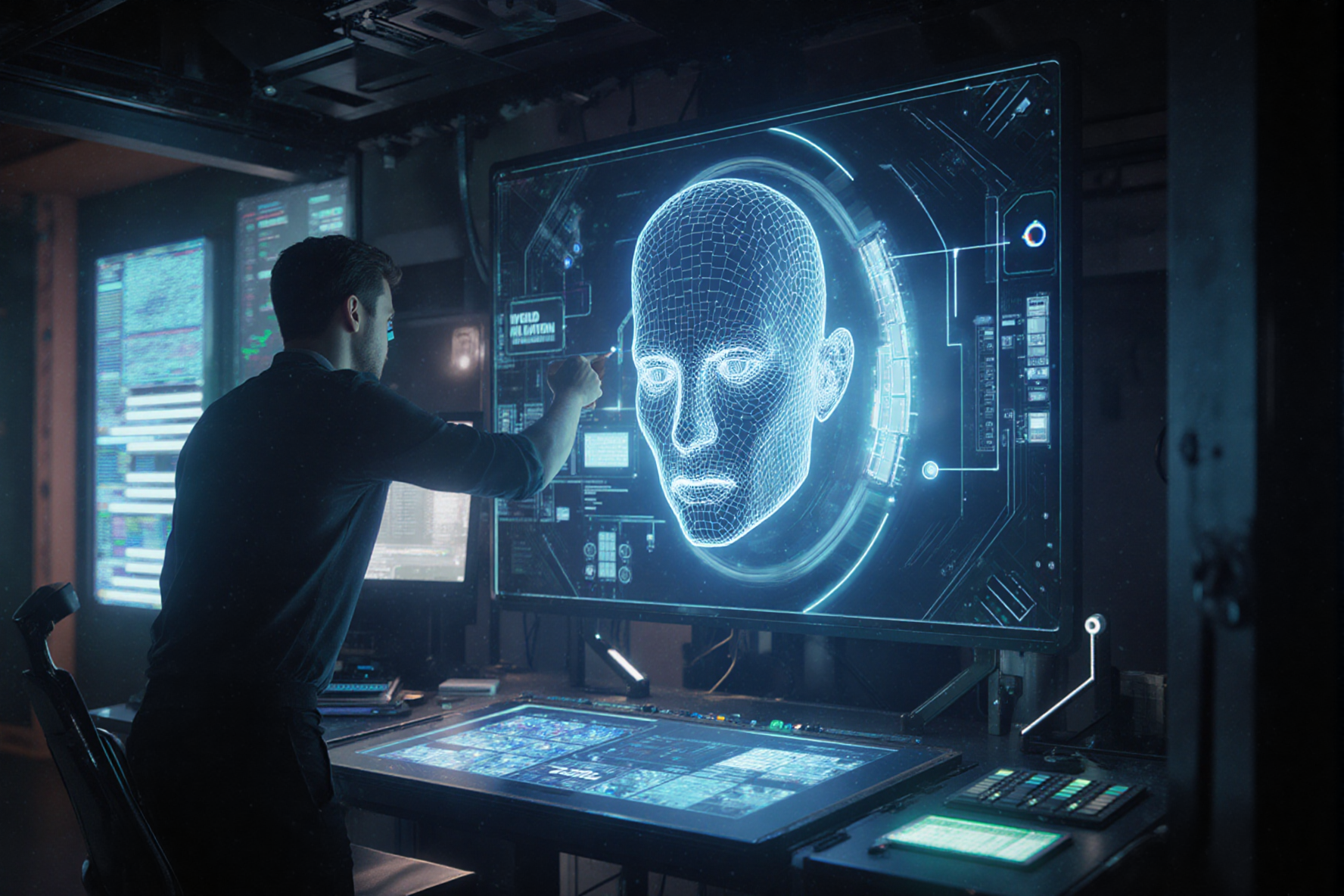
A futuristic digital artist studio environment, a 3D character’s face being animated in real time by AI software, glowing holographic interface, cinematic lighting, hyper-realistic detail, concept art style, ultra sharp, wide shot, high-tech creative atmosphere.
Facial animation has long been one of the most challenging areas in computer graphics. From big-budget films to indie game projects, bringing believable facial expressions to life requires not only artistic talent but also technical mastery. Traditionally, this process has been time-consuming and expensive. Nvidia’s Audio2Face, now available as an open-source project, is changing the landscape by making realistic facial animation more accessible than ever before.
What is Audio2Face?
Audio2Face is an AI-powered tool developed by Nvidia that automatically generates realistic facial animations from audio input. Instead of manually keyframing lip-syncs or using complex motion capture setups, creators can feed a simple audio file into the system. The AI then maps the speech patterns to lifelike facial movements, producing a natural-looking performance.
Originally part of Nvidia’s Omniverse platform, Audio2Face was used primarily by professionals in gaming, film, and virtual production. But with its recent open-source release, it is now available for a much wider range of creators—from indie developers and animators to educators and hobbyists.
Why Open-Source Matters
The move to open-source is significant for several reasons:
- Accessibility – Smaller studios and independent creators no longer need expensive tools or hardware to achieve professional-quality facial animation.
- Customization – Developers can now modify and adapt Audio2Face for their specific needs, from stylized cartoon characters to hyper-realistic avatars.
- Community Growth – Open-source projects often lead to rapid innovation, as developers contribute improvements, plugins, and integrations.
- Cross-Industry Adoption – By lowering entry barriers, Nvidia encourages industries outside of film and gaming—such as education, healthcare, and virtual communication—to integrate facial animation into their projects.
Use Cases for Creators
The open-source release of Audio2Face unlocks a wide range of creative possibilities:
- Indie Games: Small teams can add high-quality character interactions without needing motion capture rigs.
- Virtual Influencers: Content creators on YouTube, TikTok, or Twitch can bring avatars to life in real-time.
- Film & Animation: Indie filmmakers can reduce production costs while still delivering professional lip-sync and performance capture.
- Education & Training: Teachers can create interactive digital tutors or language-learning avatars that speak with natural facial expressions.
- Metaverse & VR: Developers building virtual worlds can offer more immersive character interactions.
The Future of AI-Driven Animation
With Audio2Face now open-source, the future of AI-driven animation looks more collaborative and inclusive. The technology is expected to evolve rapidly as the community experiments with new applications—such as multilingual lip-sync, stylized artistic expressions, and integration with VR/AR environments.
By democratizing access, Nvidia is setting the stage for a new era where high-quality facial animation is no longer limited to Hollywood studios or AAA game developers. Instead, it becomes a tool for anyone with creativity and a vision.
Conclusion
Nvidia’s decision to release Audio2Face as open-source represents a turning point in digital creation. For the first time, advanced AI-powered facial animation is within reach for creators of all levels. Whether you are a game developer, a filmmaker, or simply an enthusiast experimenting with avatars, Audio2Face opens the door to more lifelike and expressive digital characters.
The question is no longer if you can afford professional facial animation—it’s what you will create with it.