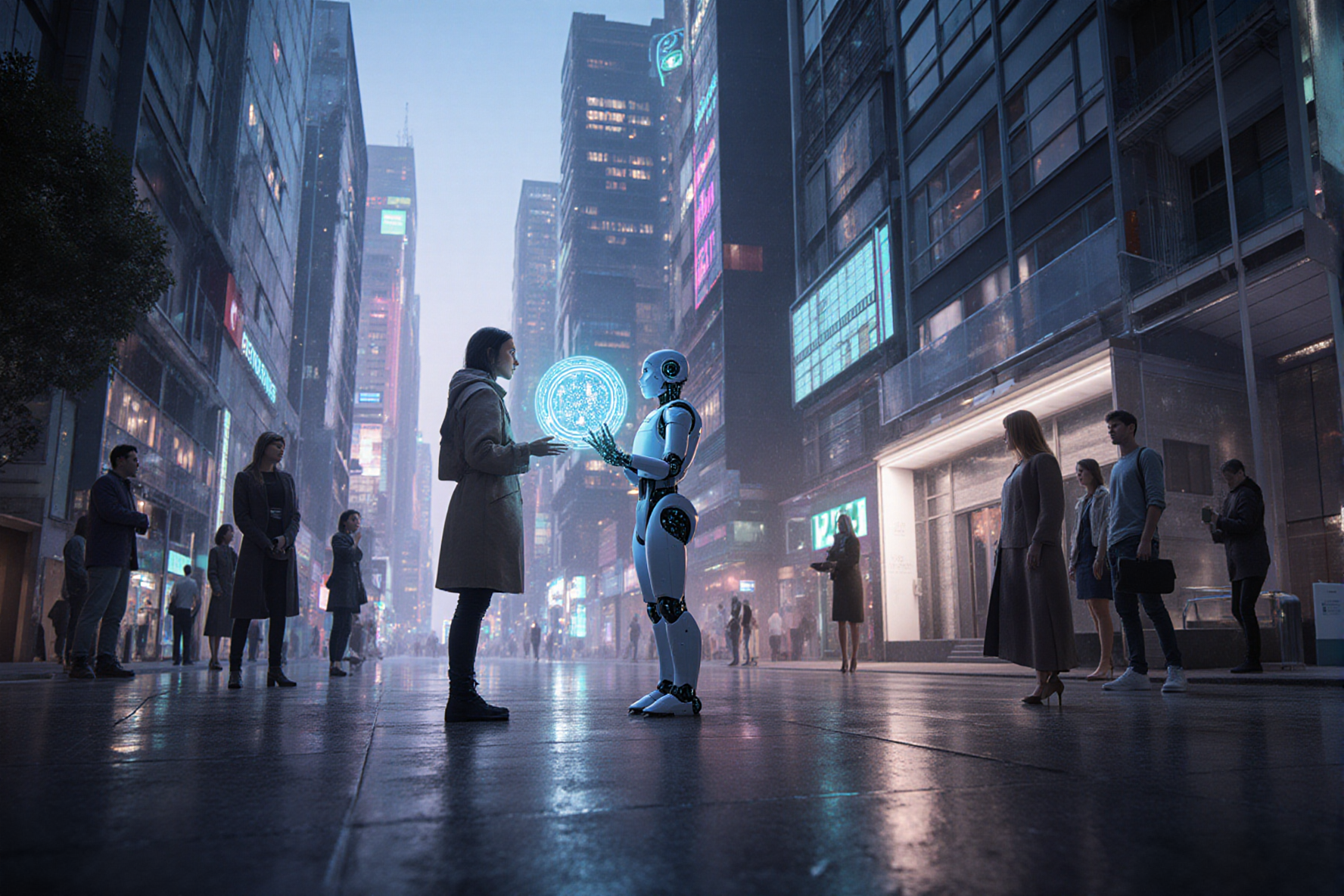
Artificial intelligence (AI) is no longer just a buzzword; it is increasingly becoming a fundamental part of our daily lives. Between 2025 and 2030, AI will undergo significant developments that will transform how we work, communicate, travel, and even how we take care of our health. This period promises both opportunities and challenges, making it crucial to consider the impact AI will have on society.
AI in Healthcare
By 2030, AI will play a central role in healthcare. Smart diagnostic tools will be able to detect diseases earlier and more accurately than many doctors today. AI-driven systems will analyze X-rays, MRI scans, and even genetic data, enabling personalized treatments. For patients, this means faster diagnoses and more efficient care. However, ethical questions will also arise: who owns the medical data, and how do we protect privacy?
AI in Work and the Economy
The labor market will undergo significant changes due to automation. Routine jobs in sectors such as administration, logistics, and manufacturing will increasingly be replaced by AI-driven systems and robots. At the same time, new jobs will emerge in areas like AI ethics, data management, and robot maintenance. This shift means that workers will need to retrain and adapt to new demands. Governments and companies will play an important role in guiding this transition to prevent large groups of people from being left behind.
AI in Transportation and Mobility
Autonomous vehicles will become increasingly common. By 2030, it is expected that self-driving cars, trucks, and even ships will operate widely. This could reduce traffic accidents, improve efficiency, and reduce CO₂ emissions. Yet, there will also be challenges, such as questions about liability in accidents and the impact on professional drivers who may lose their jobs.
AI in Everyday Life and Smart Homes
AI will become a constant presence in our homes. Smart assistants will not only control devices but also anticipate our needs. For example, your refrigerator may automatically order groceries when it notices you are running low, or your heating system may adjust itself based on your schedule and health data. This makes life more comfortable, but it also raises concerns about data security and the risk of “surveillance” within our own homes.
AI and Education
Education will undergo a true revolution. Personalized learning systems will adapt to the pace and needs of each student. Teachers will receive assistance from AI tools that provide real-time insights into performance and challenges. This can reduce inequality by helping every student learn at their own level. However, it also raises the risk of over-reliance on technology and the loss of human interaction in the classroom.
Ethical and Social Challenges
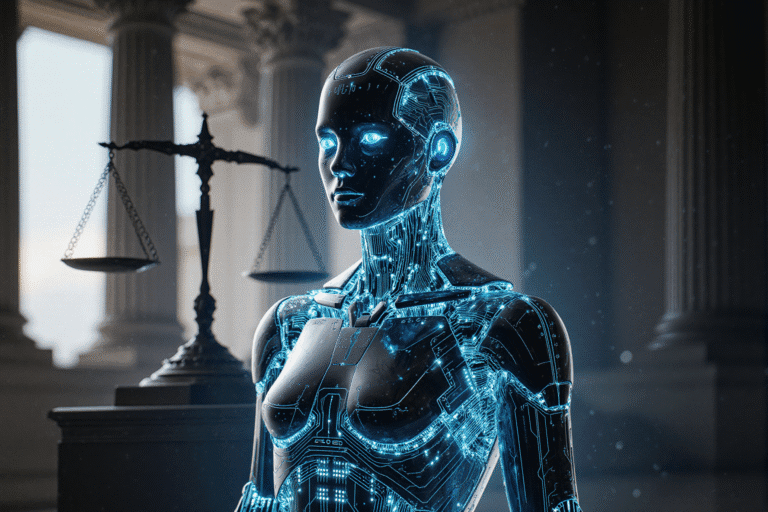
The increasing integration of AI in everyday life brings ethical dilemmas. Issues such as privacy, bias in algorithms, and the concentration of power in large tech companies will dominate the debate. Between 2025 and 2030, society will be challenged to strike a balance between technological innovation and human values. International regulations will be essential to ensure that AI is used fairly and responsibly.
Conclusion: A Balance Between Progress and Responsibility
The period from 2025 to 2030 will be crucial for the role AI plays in our lives. The technology offers enormous potential to improve healthcare, education, and daily convenience. At the same time, there are major challenges regarding jobs, privacy, and ethics. Whether AI becomes a blessing or a burden will depend on the choices we make as a society. The future of AI is not predetermined — it is up to us to shape it.